
How I Bought My First Property With $4.5K

Think about it, only spending $4,500 to move into your very own home. I know there are a lot of areas this price won’t apply, but in some other areas it could be even cheaper. I bet you’re thinking, “how is this even possible?”. Please, let me explain.

First of all, the loan was financed to cover the purchase price of the house ($84K), so you will need a decent credit score. I can safely say, if you have a credit score of 640+, you shouldn’t have much of problem getting financed. My score was roughly 660-ish and I was pre-approved for $135K. For more information regarding credit, check out my blog on The First Step to Building Wealth.

To obtain a pre-approval, you need to speak an MLO (Mortgage Loan Officer) at a Mortgage Broker’s office. They will run your credit and check job history, W2’s, and total monthly expenses, along with some other financial details to determine an amount that they feel is safe to lend you.

After that was complete, I qualified for a USDA loan (0% down on the total purchase price). There are a few disadvantages to this loan:

  • The only houses that apply for this loan, have to be in a rural area determined by USDA guidelines.
  • The house has to be up to “livable” with only minor repairs.
  • You have to meet income eligibility.

To see if you would be eligible, you can visit their website at https://eligibility.sc.egov.usda.gov/eligibility/welcomeAction.do.

From there I went on to have a mandatory property inspection to see if there were serious damages to the property. This cost me approximately $250 – $300. I also had an insect inspection to look for any pests (particularly termites) that might be roaming in or around the house which ran about $100. Once all these inspections cleared, it was on to the closing.

At the time of closing, I provided 5% of the purchase price for the closing cost fee ($4,000). I then sat and signed what seemed like an endless amount of paperwork. Subsequently, the keys were handed over to me for my very first property at just under $4.5K.

Like i mentioned earlier, this strategy may not apply to those in non rural areas or where housing prices are much higher. Most places have a rural area within an hour and a half from where they live. There are other loan strategies that you could use, such as FHA, VA, conventional, and many more, so don’t let that small excuse prevent you from buying your first home.

“If you cannot do great things, do small things in a great way.” ~ Napoleon Hill


The First Step to Building Wealth

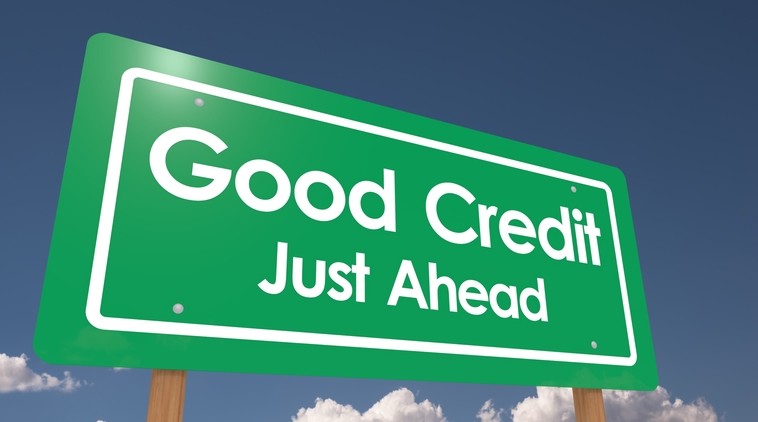
Step 1, rob a bank. No seriously, get that credit score up. This is a vital building block to wealth. Have you ever seen a person/company successfully build themselves/itself without using credit? If you have, I can guarantee it was extremely difficult for them. Even our own currency system is built based on credit.

Starting while you’re young has a huge advantage, but it can be very tough. Most places won’t allow you to use credit if you have not established any credit. My advice to starting credit is to get something reasonably cheap based on your budget and pay it off. Another option is to get a credit card/PPC (pre-paid card) and use it for things you would normally buy throughout the month, then pay off the balance at the end of the month.

I unfortunately started to get very serious about my credit situation after I had already made some bad decisions. Fortunately, it wasn’t too bad and I didn’t have to file for bankruptcy. However, the thought did cross my mind. I could wipe the slate and not have to pay my debts but then I would have to divulge that information on any credit application. Instead of choosing to be tainted by a bankruptcy label, I chose to pay and settle my debts.

Needless to say, the foreclosure from 2008 (housing bubble) was never settled. All my other debts were paid in full or settled. If you try to use the settling method make sure to pick a fair price to settle with and stick to it. The good thing about repaying your debts is that while you make your payments, your credit actually begins to get better. It also feels great to pay off all your past debts.

Whether you’re starting or fixing your credit score, it is super important to have if you’re trying to obtain anything of great value. It’s never to late or too early, but starting this as early as possible will give you a huge advantage at achieving your goals of becoming wealthy or being financially free.

“You must gain control over your money, or the lack of it will forever control you.” ~Dave Ramsey

good credit


Planting the Financial Seed


Personal Growth is what we all must strive for. Not just for ourselves, family, or our country but for humanity. Over time I notice more and more people becoming content with their lives. Don’t get me wrong, I think it’s great people are happy to be at a certain place in their life, but why stop there? We owe it to ourselves, our children, and the generations after us to continue on and push forward.

Are you living day-to-day, check to check, or even have a little money saved? Don’t be embarrassed because only a few years ago I was in the same situation. I had to step back and take a look at the bigger picture. I wasn’t happy with my current financial position. I started looking for answers by educating myself. Come to find out, most of my problems were in the way I thought about money. I needed to get into an investor’s state of mind.

One of the easiest ways we look at being wealthy is making a lot of money, but that’s not always the case. Wealth is also determined by spending and what we spend our money on. If you have more money coming in than going out, your going to have extra money. Here is a simple formula, Incoming $ – $ Spent = Left over $ for the bank. Obvious, I know right? Well, what if I told you that the money your spending could help add to more money coming in?

This leads me to Investments. Being conscience on what you’re spending your money on (Is X an investment or do I really need X?) can help keep funds at bay to put towards funding more revenue for the future. Now, these different avenues of revenue do take time to gain momentum, but the great thing about Real Estate is that it doesn’t take very long.

Do you think reading books sounds lame? That use to be one of my opinions (I still kind of agree). Forcing myself to sit down and educate myself from the titans before me has actually been one of the greatest leaps forward I have ever taken. Learning from others failures and successes can help shave a lot of time on your pursuit. If you don’t like reading, try listening. Audible from amazon offers books in audio setting for a fee. There are even some free audio books available on Youtube.com (I found one of my favorite books from Napoleon Hill “Think and Grow Rich” there).

One of the quickest ways to financial freedom is to hitch a ride with someone who is driving down success lane. These mentors can sometimes be the fastest way from point A to point B. Good mentors are hard to find. I suggest if you find someone in your field of work that is willing to teach then you should take the time to listen. Mentors will usually expect you to go outside of your comfort zone, which is good for growth.

Pain is something I think everyone should endure. Whether it be mental or physical, pain must be felt in order to experience growth. Do you recall the saying “no pain, no gain”? Or do you remember those late nights sleeping in bed and all of a sudden you get an excruciating pain in your calve muscle? Growing pains are not just physical. I’m a firm believer that if you want to grow as a person mentally or physically you have to endure pain. This means doing what you don’t want to do or doing things that make you uncomfortable. In order to experience grow you have to step out of your comfort zone.  If you start to do enough of little growths overtime, it can create a monster of a tree.

“Without continual growth and progress, such words as improvement, achievement, and  success have no meaning.”  Benjamin Franklin

Big Tree (2)